As electricity demand accelerates, the ability to deliver power where and when it is needed is becoming a defining challenge for utilities, industries, and entire economies. But what if part of the solution is already in the grid?
What is Speed-to-Power?
Speed-to-Power refers to the ability to deliver reliable electricity to new customers, industries, and infrastructure as quickly as possible. It is about shortening the time between the need for electricity and the moment that power becomes available.
For utilities, this means connecting new demand, expanding grid capacity, and overcoming infrastructure constraints without compromising safety, reliability, or affordability.
What is new, is that the speed matters just as much as capacity itself.
Why Speed-to-Power matters more than ever
The world is entering a new era of electricity demand.
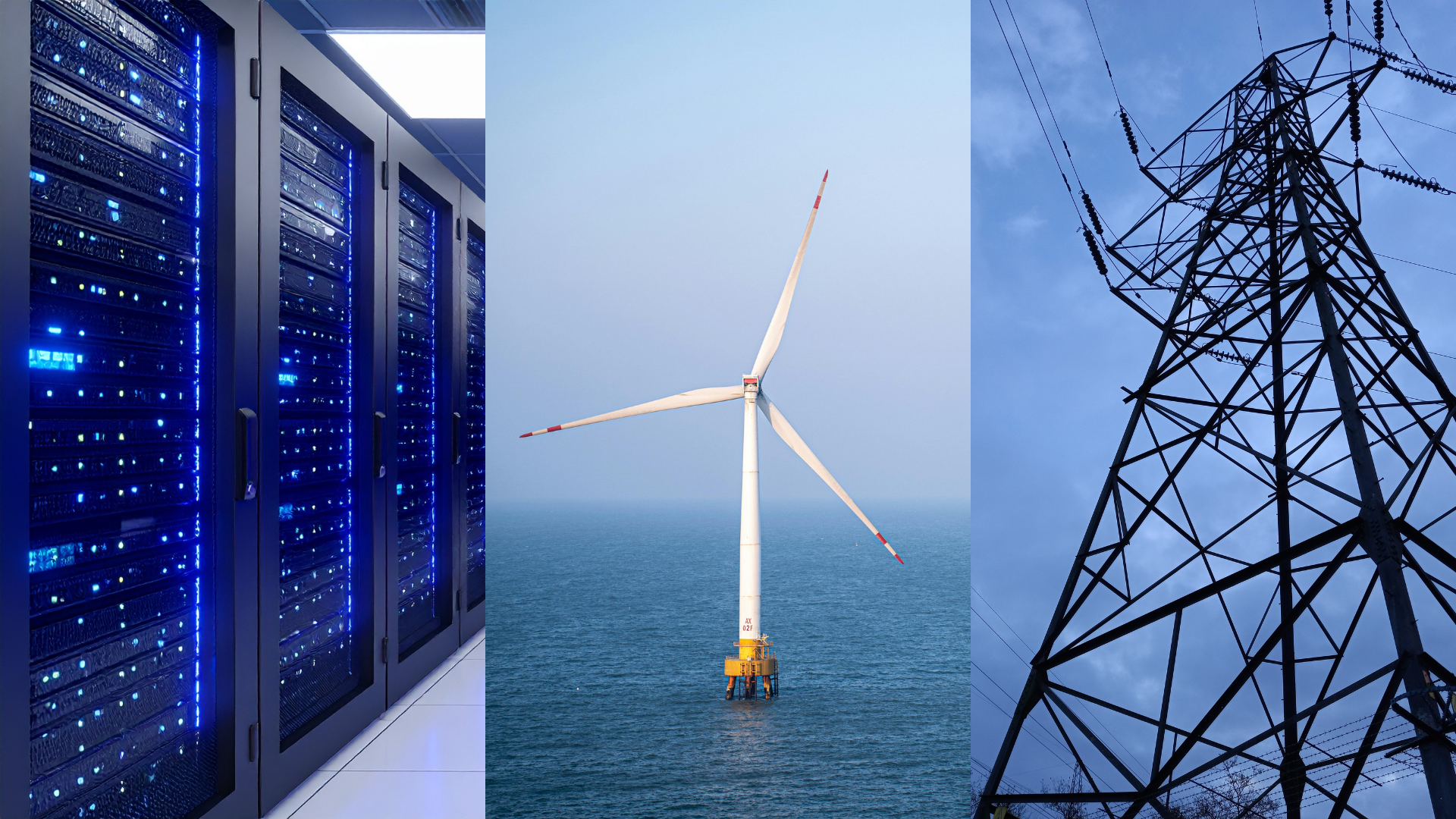
Artificial intelligence, hyperscale data centers, industrial electrification, and the energy transition are fundamentally changing how much electricity we need, where we need it, and how quickly it must become available.
According to the International Energy Agency (IEA), global electricity consumption from data centers is expected to more thandouble by 2030, reaching approximately 945 TWh. Meanwhile, new manufacturing facilities, renewable energy projects, and electrification initiatives are adding further pressure to already constrained power grids.
The challenge is that electricity infrastructure cannot always expand at the same pace as demand. Building new transmission lines can take years, sometimes more than a decade, due to permitting processes, land acquisition, equipment lead times, and construction.
For businesses planning major investments today, those timelines can become a decisive factor. Access to electricity is no longer just an infrastructure question. It is increasingly an investment decision.
In a June 2026 Reuters commentary, energy infrastructure investor Izzet Bensusan highlighted how time-to-power is reshaping capital allocation in theUnited States. Investors are increasingly prioritizing projects that can securereliable electricity quickly and overcome infrastructure bottlenecks.
The implications extend globally. Regions offering faster access to reliable electricity gain a competitive advantage in attracting data centers, manufacturing facilities, andother energy-intensive industries.
For utilities, the challenge is therefore no longer simply how much grid capacity can be built, but how quickly capacity can be made available.
The fastest capacity may already exist
Building new transmission infrastructure remains essential. But when businesses need power in months rather than years, relying exclusively on new construction is not always aviable strategy.
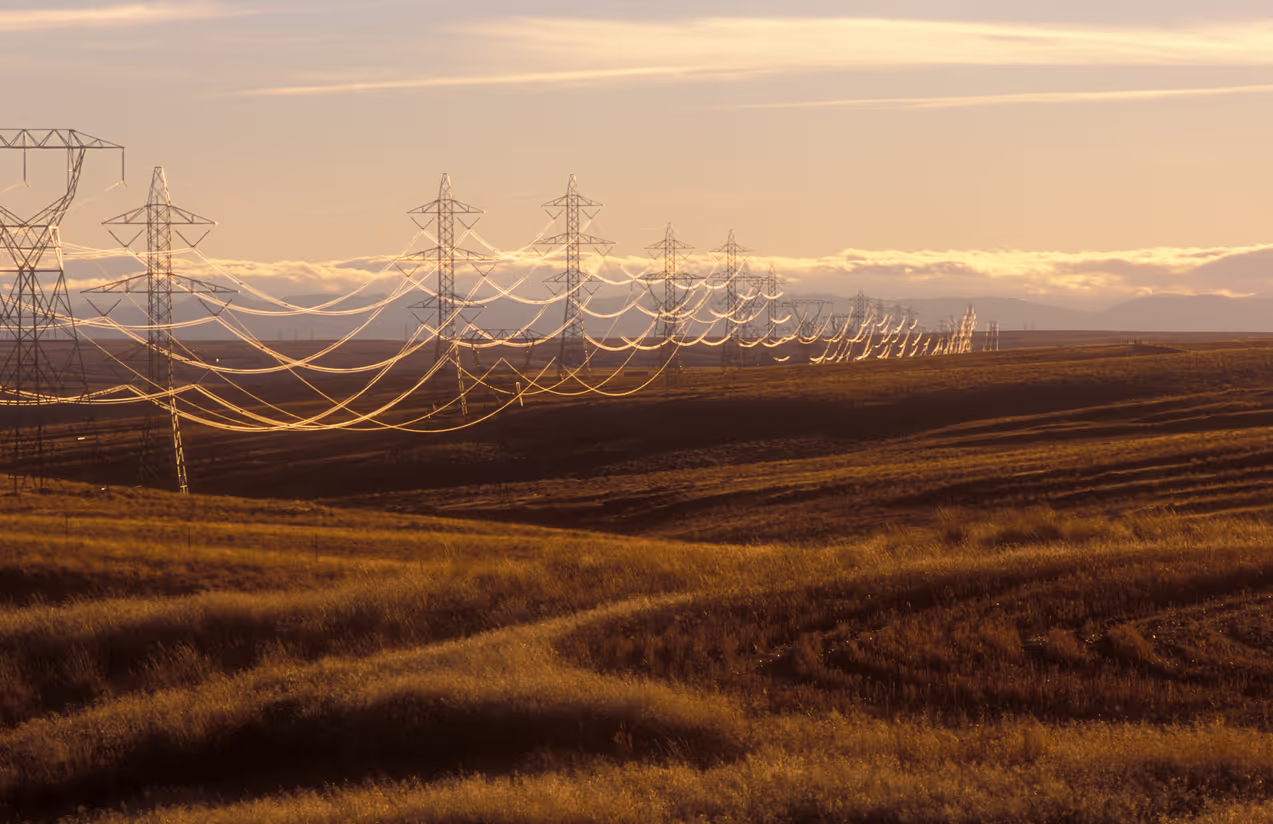
Fortunately, increasing grid capacity does not always require building more grid. Across existing transmission networks, significant capacity can remain underutilized.
Traditionally, utilities have relied on static line ratings to determine how much electricity transmission lines can safely carry. These ratings are typically based on conservative assumptions about environmental conditions rather than actual conditions.
In reality, transmission capacity changes continuously. Wind, ambient temperature, and other environmental factors influence how effectively a conductor dissipates heat, and therefore how much electricity it can safely transmit.
By using Dynamic Line Rating (DLR) and other grid-enhancing technologies, utilities can identify and unlock additional capacity in existing infrastructure, often far more quicklyand cost-effectively than constructing new transmission lines.
Rather than waiting years for new infrastructure, utilities can start making better use of the assets they already operate.
How Heimdall Power enables Speed-to-Power
At Heimdall Power, we believe accelerating access to electricity starts with understanding the true capacity of the grid.
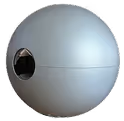
Our system-wide hybrid solution combines physical sensors (Neurons), software-based Virtual Neurons, advanced analytics, and autonomous drone installation to help utilities unlock additional capacity quickly, reliably, and at scale.
Physical Neurons provide precise, real-time measurements on critical lines, while Virtual Neurons enable rapid and cost-effective coverage across larger parts of the grid. Data from physical sensors also helps strengthen and validate the software-based models.
Together, they offer utilities a scalable way to achieve system-wide visibility, identify bottlenecks, and optimize capacity without installing hardware on every line.
Across more than 20 countries on three continents, our solutions have demonstrated capacity gains of more than 40% in customer deployments, helping utilities discover additional capacity within their existing infrastructure.
For utilities facing growing demand, this can create opportunities to accommodate additional powerflows, reduce congestion, and support faster connections where transmission capacity is the limiting factor.
Deploying at speed and scale
Speed-to-Power also requires solutions that can be implemented quickly. Heimdall Power's autonomous drone technology enables physical Neurons to be installed on energized transmission lines in approximately 10 seconds, without requiring outages or personnel to climb towers.
Meanwhile, Virtual Neurons can be deployed rapidly through software, allowing utilities to expand monitoring coverage without waiting for physical installations.
This combination significantly reduces deployment complexity and enables utilities to move from individual projects to system-wide grid optimization.
All data is brought together in the Heimdall Cloud Platform, providing real-time monitoring, forecasting, and actionable insights that help utilities make informed decisions about available transmission capacity.
Powering progress, faster
The race to deliver electricity is accelerating, and the ability to respond quickly will increasingly define the competitiveness of utilities, industries, and entire economies.
Meeting this challenge requires new infrastructure, smarter planning, and technologies that make existing networks more efficient.
At Heimdall Power, our contribution is straightforward: helping utilities unlock more capacity from the grid they already have, and making that capacity available faster.
Because the future of electricity is not only about building more. It is about getting more out of what we already have, when it matters most.