Entergy Sets U.S. Record with Multi-State DLR Deployment by Drone
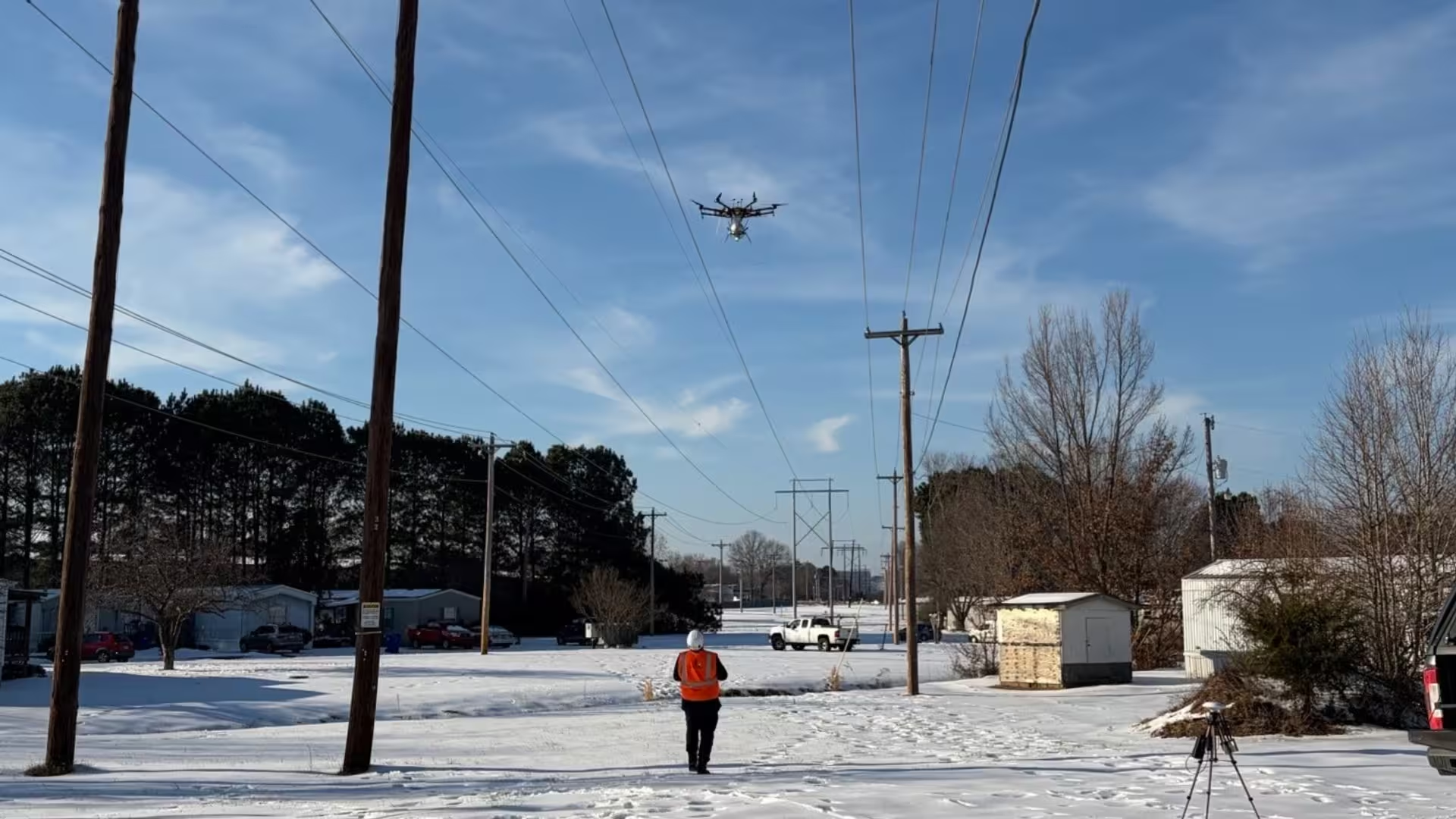
In a remarkable five-day effort, Heimdall Power installed 31 Neurons™ by drone in Louisiana, Texas, and Arkansas despite unprecedented winter conditions.
The ice wasn’t part of the plan.
But in mid-January 2026, as the Heimdall Power drone team embarked on a two-week, multi-state deployment for Entergy, a once-in-a-decade winter storm threatened to rage across the American South/Southeast.
Drone deployments kicked off Monday, Jan. 19 in Baton Rouge, Louisiana under clear skies and mild winter temperatures. Over three days, the team installed 11 Neurons against the backdrops of Louisiana State University’s Tiger Stadium and the east bank of the Mississippi River.
One week later, just across the state line in Texas, conditions changed dramatically. Texans woke to an extreme cold warning and temperatures in the 20s.
Despite ice accumulation and arctic air, the team powered through drone installations in Texas on Jan. 26 before heading north into Arkansas, where the winter storm added a new element: Snow, and lots of it.
In Southern grid work, where mild winters are the norm, no one would have blamed the team for saying, “Let’s push this to next week.”
Instead, they set a new U.S. record.
On Jan. 27, amid snow drifts, Heimdall Power installed 14 Neurons across central Arkansas in just six hours, setting the record for number of DLR sensors installed in a single day in the United States. (The global record was set in August 2025 with Netz Niederösterreich GmbH in Austria, where Heimdall Power installed 17 Neurons in one day.)
It turns out cold weather is no match for a utility mission-driven to build a smarter, more resilient grid.
“Our efforts with Heimdall to advance monitoring capabilities is another example of Entergy’s ongoing commitment to using innovative technology to strengthen the grid and deliver reliable, affordable power to the communities we serve,” said Clay Adams, Director of Asset Management Strategy at Entergy. “Even in challenging icy conditions, this project proves that we are capable of safely implementing advancements in technology without impacting our customers on an energized ever-expanding grid.”
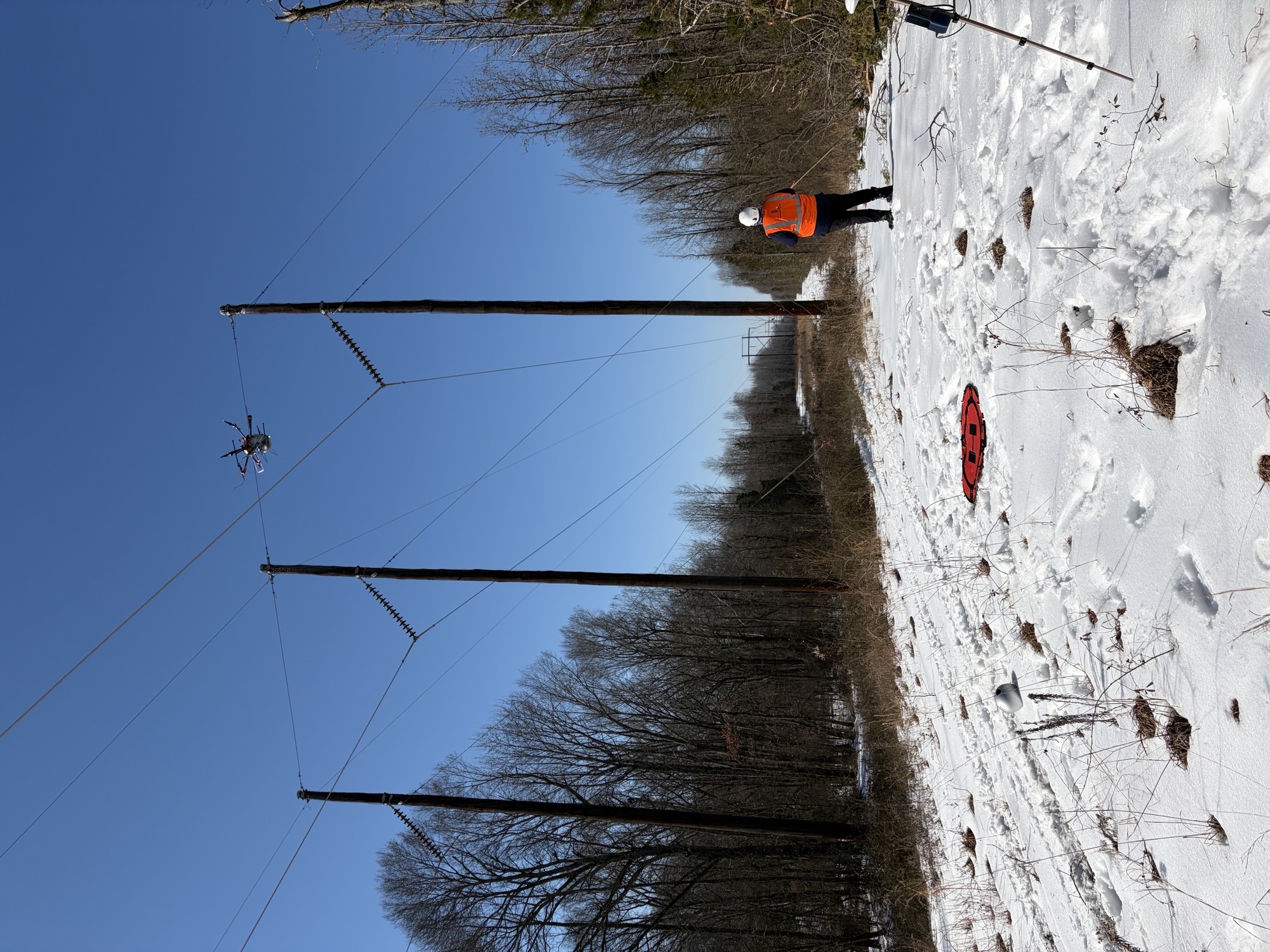
From Louisiana to Texas to Arkansas, the deployment proved a simple point: modern grid upgrades don’t have to be slow, disruptive, or complicated. With the right tools—and a little Norwegian grit—utilities can operate smarter and faster, even when the weather doesn’t cooperate.
Over the coming months, Entergy will evaluate how the real-time data collected by Neurons across different regions, weather patterns, and load conditions can be used to inform future planning, operations, and grid modernization efforts.
Tim Sansing, who leads Entergy’s DLR project, sums up its goals: “Planning our energy future starts with seeing our grid more clearly today.”
About Entergy's DLR Deployment with Heimdall Power
Across Entergy’s network, electricity use continues to increase as new industries, data centers, electric vehicles and expanded electrification place added pressure on the grid. With Heimdall Power’s DLR solution, Entergy hopes to:
- Improve the reliability of its service by spotting potential problems before they happen
- Make the grid stronger during heat waves, storms, and other tough conditions
- Keep electricity costs down for its three million customers by getting more out of its existing infrastructure
- Improve the safety of line maintenance workers
- Make it easier to integrate renewable energy sources, like wind and solar
Learn more about Entergy’s DLR deployment with Heimdall Power here.
By the Numbers
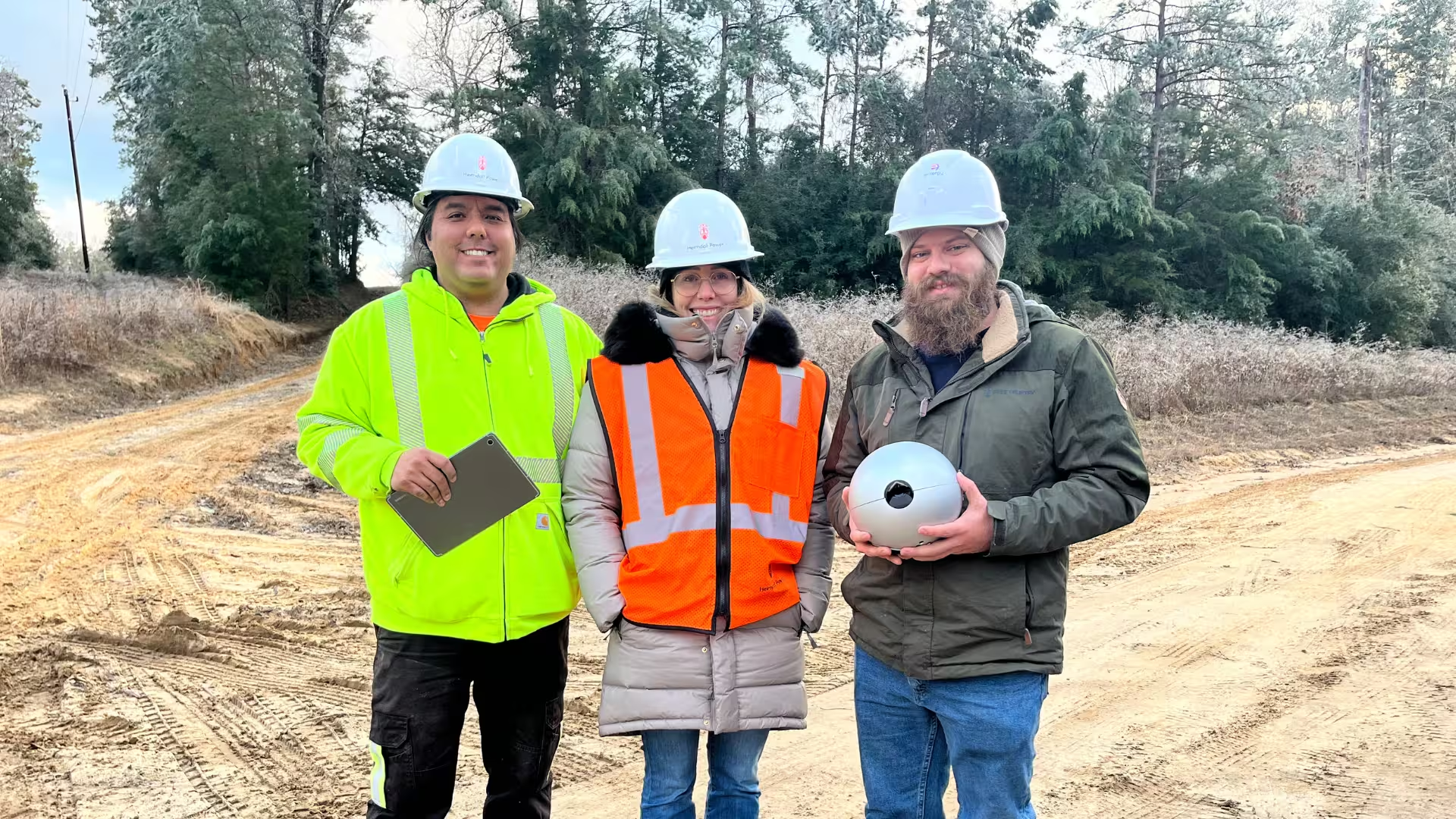
- Over five working days between Jan. 19 and Jan. 28, 2026, Heimdall Power deployed 31 Neurons across Louisiana, Texas, and Arkansas as part of a Dynamic Line Rating (DLR) deployment with Entergy.
- All 31 Neurons were installed by drone on energized transmission lines, meaning no outages, no bucket trucks, and no waiting around for ideal conditions.
- On Jan. 27, 2026, Heimdall Power installed 14 Neurons on Entergy transmission lines in central Arkansas, setting a record for the number of sensors installed in the United States in a single day.